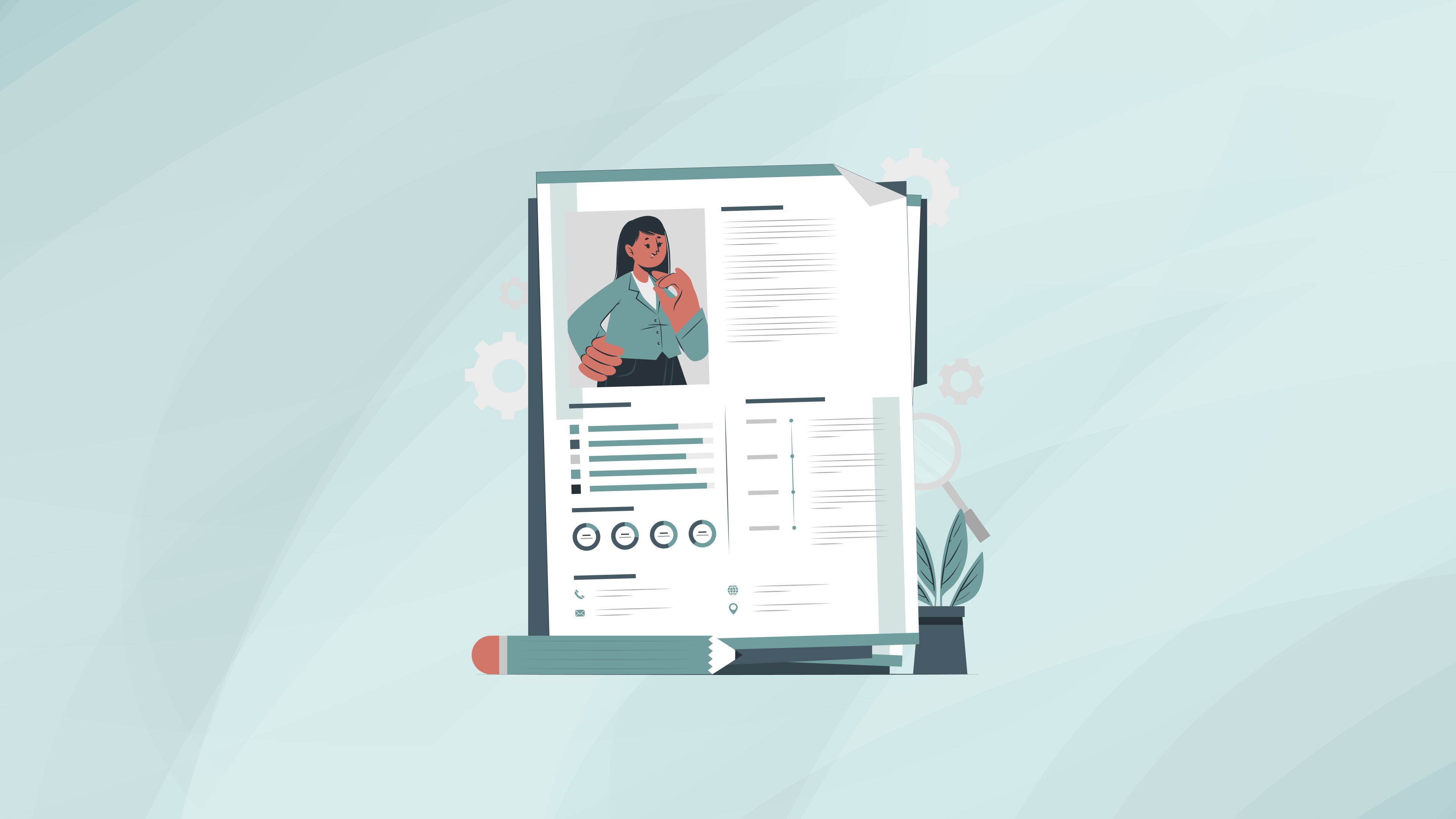
A strong job ready resume for freshers can make a significant difference when applying for jobs in today's competitive market. Since fresh graduates often have limited professional experience, a well-structured resume helps showcase their skills, education, projects, and potential, increasing their chances of securing interviews and starting their careers successfully.
Why a Job-Ready Resume Matters
Recruiters receive hundreds of applications for a single position, and your resume is often the first document they review. A professionally written resume helps employers quickly understand your qualifications and determine whether you are suitable for the role.
For freshers, the challenge is presenting academic achievements, internships, projects, and transferable skills in a way that demonstrates value. Creating a job ready resume for freshers ensures your strengths are clearly communicated to hiring managers.
Key Sections Every Fresher Resume Should Include
Contact Information
The first section of your resume should contain accurate contact details. Include your full name, phone number, professional email address, and relevant professional profiles such as LinkedIn.
Ensure all information is current and easy to find. Recruiters should be able to contact you without difficulty if they are interested in your application.
Professional Summary
A professional summary provides a brief introduction to your qualifications and career goals. This section should highlight your educational background, strengths, and enthusiasm for the role.
Keep the summary concise while focusing on the qualities that make you a strong candidate for the position.
Educational Background
Since most freshers have limited work experience, education often becomes one of the most important sections of the resume.
Include your degree, institution name, graduation year, and any academic achievements or certifications that support your career goals.
Skills Section
The skills section helps recruiters quickly identify your capabilities. Include both technical and soft skills that are relevant to the job you are applying for.
Examples may include communication, teamwork, problem-solving, programming languages, data analysis, project management, or industry-specific tools.
Projects and Academic Work
Projects can demonstrate practical knowledge and real-world application of your skills. Whether completed individually or as part of a team, projects help employers understand your capabilities.
Describe your role, objectives, technologies used, and outcomes achieved. This section strengthens a job ready resume for freshers by showcasing hands-on experience.
Internships and Training
Internships provide valuable workplace exposure and should be included whenever possible. Even short-term internships can demonstrate initiative, adaptability, and practical learning.
Highlight responsibilities, achievements, and contributions that align with the position you are targeting.
Certifications and Additional Learning
Professional certifications and online courses show a commitment to continuous learning. They also help strengthen your qualifications, especially when applying for competitive roles.
Include certifications that are relevant to your industry and career interests.
Common Mistakes to Avoid When Creating a Resume
Many freshers unintentionally weaken their applications by making avoidable errors. Understanding these mistakes can help improve resume quality and effectiveness.
Using a Generic Resume
Submitting the same resume for every job can reduce your chances of success. Employers prefer candidates whose qualifications match the specific requirements of the role.
Adding Irrelevant Information
Including unnecessary personal details or unrelated experiences can distract recruiters from your strengths and qualifications.
Poor Formatting
A cluttered layout can make important information difficult to locate. A clean and organized format improves readability and professionalism.
Ignoring Keywords
Many companies use applicant tracking systems to screen resumes. Including relevant keywords from job descriptions can improve visibility during the selection process.
Essential Tips for Building a Job-Ready Resume for Freshers
The following practices can help freshers create stronger resumes and increase their chances of attracting employer attention.
Customize your resume for every application by carefully reviewing the job description and highlighting the qualifications, skills, projects, and experiences that align most closely with employer expectations and position requirements.
Use action-oriented language when describing projects, internships, and achievements because strong action verbs create a more professional impression and clearly communicate your contributions, responsibilities, and measurable results.
Keep your resume concise and focused by including only relevant information that supports your application while avoiding lengthy explanations, repetitive details, and unnecessary content that may distract recruiters.
Highlight academic projects that demonstrate practical skills and problem-solving abilities because employers often view project experience as valuable evidence of a candidate's readiness for professional responsibilities.
Include certifications and online learning programs that strengthen your profile and demonstrate a commitment to skill development, continuous improvement, and staying updated with industry trends and technologies.
Proofread your resume carefully before submitting it to eliminate spelling errors, grammatical mistakes, and formatting inconsistencies that could negatively impact your professional image during recruitment.
Use a simple and professional design that improves readability while ensuring applicant tracking systems can easily scan and process the information included in your resume.
Maintain an updated resume by regularly adding new skills, certifications, internships, projects, and achievements so employers always receive the most accurate representation of your qualifications.
How Applicant Tracking Systems Affect Freshers
Many employers rely on applicant tracking systems to filter resumes before recruiters review them. These systems search for keywords, qualifications, and relevant skills that match job requirements.
A job ready resume for freshers should include industry-specific keywords naturally throughout the document. This increases the likelihood of passing automated screenings and reaching hiring managers.
The Importance of Showcasing Transferable Skills
Freshers often underestimate the value of transferable skills gained through academics, volunteer work, extracurricular activities, and projects. Skills such as communication, teamwork, leadership, and time management are highly valued across industries.
Employers understand that entry-level candidates may not have extensive work experience. Demonstrating transferable skills helps show readiness for professional responsibilities and workplace success.
Conclusion
Creating a job ready resume for freshers requires careful planning, organization, and attention to detail. By highlighting education, skills, projects, internships, and certifications, freshers can present themselves as strong candidates despite limited professional experience. A well-crafted resume not only improves interview opportunities but also serves as an important foundation for long-term career growth and success.
Start Building Your Resume Today
Choose from 50+ ATS friendly Resume & CV templates to land an interview quickly
Create Resume